


Healthy Chinese Herbal Teas for Better Health

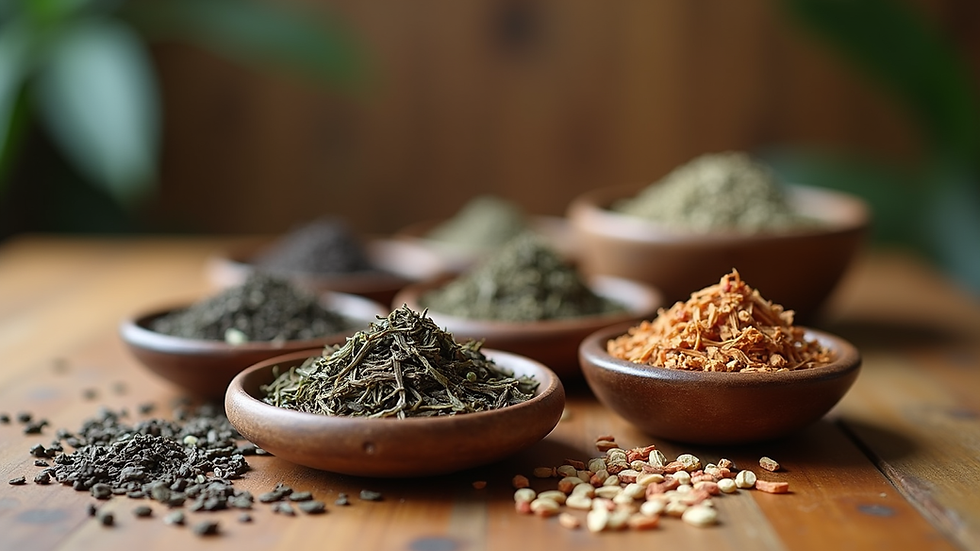
If you’ve ever found yourself craving a warm, soothing cup of tea that does more than just taste good, you’re in for a treat. Chinese herbal teas have been cherished for centuries, not just for their delicate flavours but for their remarkable health benefits. As someone who’s always on the lookout for natural ways to boost well-being, I’ve dived deep into the world of these ancient brews. So, grab your favourite mug, and let’s explore how healthy Chinese herbal teas can become your new best friend on the journey to better health.
Why Choose Healthy Chinese Herbal Teas?
For example, some teas are designed to improve digestion, others to calm the mind, and some to boost fertility and support pregnancy - a topic close to my heart. The beauty of these teas lies in their wholistic approach. They don’t just mask symptoms; they aim to restore balance within the body.
Here’s why I think they’re worth a spot in your daily routine:
Natural ingredients: No artificial additives or preservatives.
Tailored benefits: Different blends for different health goals.
Gentle yet effective: Suitable for long-term use.
Delicious and comforting: A treat for your senses as well as your body.
If you’re curious about how these teas can fit into your life, keep reading. I’ll share some of my favourites and tips on how to enjoy them.

Exploring Popular Healthy Chinese Herbal Teas
Let’s get to the good stuff - the teas themselves! Here are some of the most popular and effective Chinese herbal teas that I’ve found particularly helpful:
1. Dang Gui Tea (Angelica Sinensis)
Often called the “female ginseng,” Dang Gui is a superstar for women’s health. It’s traditionally used to support blood circulation and regulate menstrual cycles. If you’re trying to conceive or want to maintain a healthy pregnancy, this tea might be your new best mate.
How to enjoy: Steep dried Dang Gui root in hot water for 10-15 minutes.
Benefits: Supports fertility, eases menstrual discomfort, and boosts energy.
2. Ginger and Red Date Tea
This combo is a classic for warming the body and improving blood flow. Red dates (jujubes) are rich in vitamins and minerals, while ginger adds a spicy kick that’s great for digestion and immunity.
How to enjoy: Simmer sliced ginger and red dates in water for 20 minutes.
Benefits: Enhances digestion, strengthens immunity, and promotes vitality.
3. Chrysanthemum Tea
If you’re after a calming, cooling tea, chrysanthemum is a winner. It’s often used to reduce inflammation and soothe headaches. Plus, it’s naturally caffeine-free, making it perfect for a relaxing afternoon break.
How to enjoy: Steep dried chrysanthemum flowers in hot water for 5-7 minutes.
Benefits: Reduces inflammation, calms the mind, and supports eye health.
4. Goji Berry Tea
Goji berries are tiny powerhouses packed with antioxidants. Drinking goji berry tea can help boost your immune system and improve overall vitality.
How to enjoy: Soak goji berries in hot water for 10 minutes.
Benefits: Supports immune health, improves energy, and promotes healthy skin.
These teas are just the tip of the iceberg. The world of Chinese herbal teas is vast and varied, offering something for nearly every health concern.
What to Avoid When Taking Chinese Herbs?
While Chinese herbal teas are generally safe and gentle, there are a few things to keep in mind to ensure you get the best results without any hiccups.
1. Avoid Self-Diagnosing
It’s tempting to pick herbs based on what you read online or hear from friends. However, Chinese herbal medicine is highly personalised. What works wonders for one person might not suit another. Consulting a qualified practitioner ensures you get the right blend for your unique needs.
2. Be Cautious with Dosage
More isn’t always better. Overconsumption of certain herbs can lead to unwanted side effects. Stick to recommended amounts and brewing times.
3. Watch for Allergies and Interactions
Some herbs can interact with medications or cause allergic reactions. If you’re on medication or have allergies, check with your healthcare provider before starting any new herbal tea.
4. Avoid During Certain Conditions
Pregnant or breastfeeding women should be especially careful. Some herbs are contraindicated during pregnancy or may affect milk supply. Always seek professional advice.
5. Don’t Substitute for Medical Treatment
Herbal teas are a wonderful complement to health but should not replace prescribed medical treatments, especially for serious conditions.
By keeping these points in mind, you can enjoy the benefits of Chinese herbal teas safely and effectively.
How to Incorporate Chinese Herbal Teas into Your Daily Routine
Now that you’re excited about these teas, you might wonder how to make them a regular part of your life without turning it into a chore. Here are some practical tips that have worked for me:
Start your day with a warm cup: Replace your usual morning coffee with a gentle herbal tea to wake up your system.
Keep it simple: Use pre-measured herbal blends or tea bags for convenience.
Make it a ritual: Set aside a quiet moment to enjoy your tea, helping you relax and reset.
Experiment with flavours: Mix herbs like ginger, lemon, or honey to suit your taste.
Use telehealth consultations: If you’re unsure which herbs suit you, consider a telehealth session with a qualified practitioner to get personalised advice without leaving home.
Remember, consistency is key. Drinking these teas regularly can help you experience their full benefits over time.
Embracing Wholistic Health with Chinese Herbal Teas
In my journey exploring natural health solutions, I’ve found that healthy Chinese herbal teas offer a gentle, effective way to support the body’s natural balance. Whether you’re looking to boost fertility, ease pregnancy symptoms, or simply enhance your overall well-being, these teas can be a valuable ally.
If you want to learn more about how to integrate these teas into your lifestyle or seek expert guidance, consider reaching out to trusted practitioners who specialise in traditional Chinese medicine. They can tailor recommendations to your unique needs, helping you achieve harmony and health.
For those interested, here’s a helpful resource to get you started: chinese herbal tea for health.
So, why not brew a cup today and toast to your health? After all, good things come to those who sip slowly.
I hope this little guide has sparked your curiosity and inspired you to explore the wonderful world of Chinese herbal teas. Here’s to your health, one warm cup at a time!


